Label Rally
Trace a prediction
Find the example behind a choice. Change a label and test again.
AI learning games for young learners
Group signals, shape a story, and check a rescue route with Dogo. Explore how AI learns, creates, and makes mistakes by trying things for yourself.
Change a story clue. See how context shapes what comes next.
Try this mission9 interactive missions to explore nowFrom how AI learns to generation and fact-checking.All released missions are currently open to explore.
See all missionsExplore. Compare. Understand.
Label Rally
Find the example behind a choice. Change a label and test again.
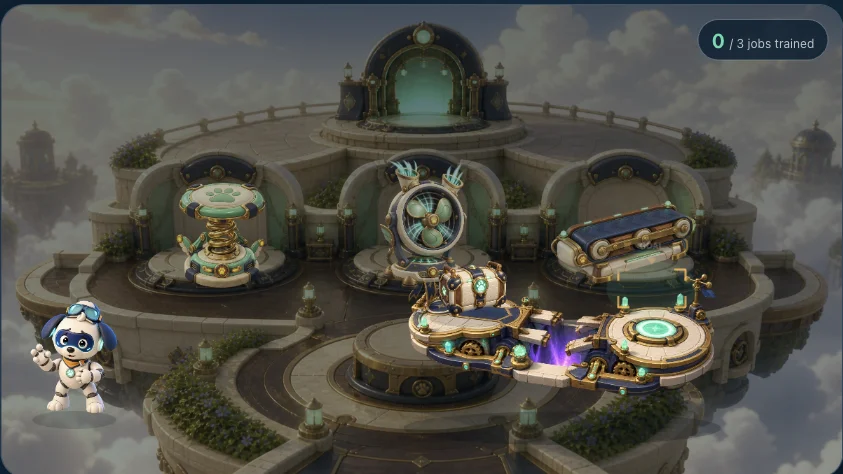
Gadget Training Camp
Choose what to reward. Watch how Dogo’s next choice changes.
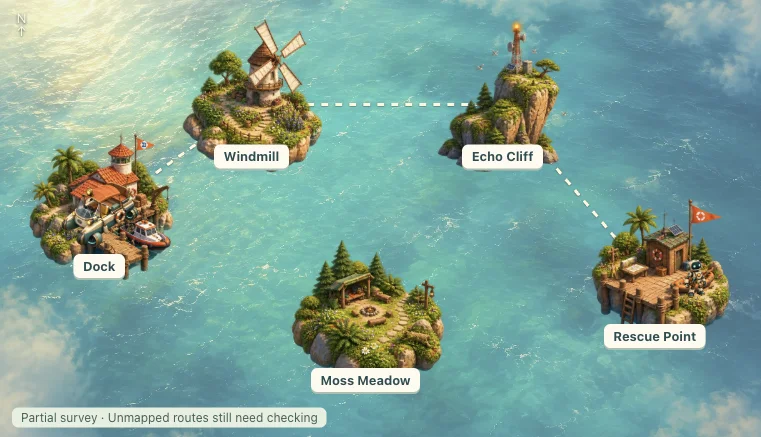
The Route That Wasn’t There
Follow the evidence. Revise the parts of a route that do not hold up.
Our approach & sources
Explore the ideas behind each mission, the sources we use, and the limits of each teaching model.
Children tune the resonance, compare signals, and see similar signals form clusters.
This source supports the underlying idea. It does not certify or endorse Mindogo.
Pricing & exploring
All released missions are free to explore for now.
Price when purchases open
One-time payment. No subscription.
Purchases are not open yet
For parents
Interactive games for exploring how AI learns, generates, and makes mistakes—no coding required. Children group examples, change stories, and check evidence, practising how to compare results and explain their decisions.
See all missions
Curious young learners who can read short instructions and enjoy trying things out. Play the first mission together to see if it fits. Then let your child make the decisions, helping with reading or controls when needed.
Missions work on phones, tablets, and computers. A larger screen makes it easier to compare maps, evidence, and results.
You can play without signing up. Progress saves in the current browser, with optional sync through a parent account. Clearing site data or changing browsers or devices may make local progress unavailable.
They use controlled, repeatable teaching models that show key principles, rather than every mechanism of a commercial model. Children do not need to send chat messages to an external AI service.
All released missions are free to explore for now; purchases are not open yet. When sales open, Missions 01–05 will stay free. The remaining released content will be sold as the pack listed at purchase: ¥19.9 in mainland China or US$3.99 outside mainland China, paid once with no subscription. You can request a full refund within 14 days of payment.
Full purchase terms